

 914 Kundenrezensionen
 Beste Zertifizierungsfragen der The Open Group OGEA-102 mit günstigem Preis
Durch langjärige Erforschungen und Bemühungen haben IT-Experten aus ZertFrafen die anspruchvollen Zertifizierungsfragen für OGEA-102 gefertigt. Die zuverlässigen Zertifizierungsfragen enthalten echte Fragen aud den früheren OGEA-102 Prüfungen. Fast jede Antworte der Prüfungsaufgaben hat ausführliche Erläuterungen, mit denen Sie die Fachkenntnisse der OGEA-102 Prüfung gut beherrschen können.

Die Zertifizierungsfragen der The Open Group OGEA-102 (TOGAF Enterprise Architecture Part 2 Exam) von hoher Qualität kosten Sie nicht viel. Der Preis ist im Vergleich zu anderen Lieferanten sehr günstig. Außerdem bieten wir ab und zu Rabatte auf bestimmte Produkte. Deshalb können Sie sich uns vor dem Bezahlen der OGEA-102 Zertifizierungsfragen online erkundigen, ob es zu jener Zeit einen Rabatt-Code für die OGEA-102 Prüfung gibt.
Sie können sowohl online mit Kreditkarte zahlen oder direkt auf unser Konto überweisen. Ihre persönlichen Informationen werden von uns gut bewahrt, darum brauchen Sie keine Sorge zu machen. Nach dem Bezahlen werden Sie die Zertifizierungsfragen der OGEA-102 sofort per E-mail erhalten.
Schnell die OGEA-102 bestehen ohne Geldverschwendung
Wegen der Verlässlichkeit unserer Produkte haben schon zahlreiche Benutzer die OGEA-102 zügig bestanden. Laut Statistiken dürfen Sie sich nach konzentriertem Gebruach innerhalb nur 20 bis 30 Stunden auf OGEA-102 sehr gut vorbereiten. Viele Prüfungsteilnehmer haben schon ins Arbeitsleben eingestiegen. Die Freizeit ist sehr wenig, deswegen bieten wir die effizienten Zertifizierungsfragen, mit denen Sie die OGEA-102 Prüfung innerhalb einer kurzen Zeit bestehen können.
Weil die Pass-Rate sehr hoch ist, können wir Ihnen garantieren, falls Sie die OGEA-102 Zertifizierungsprüfung nicht schaffen, erstatten wir alle Ihre bezahlten Kosten. Sie brauchen nur, uns das Zeugnis per E-mail zu schichen. Wir tun unser Bestes, um Ihren finanziellen Verlust am möglichsten zu vermindern. Wir ZertFragen ist kundenorientiert und vertrauenswürdig!
Die OGEA-102 Prüfung auf die geeigneteste Weise vorbereiten
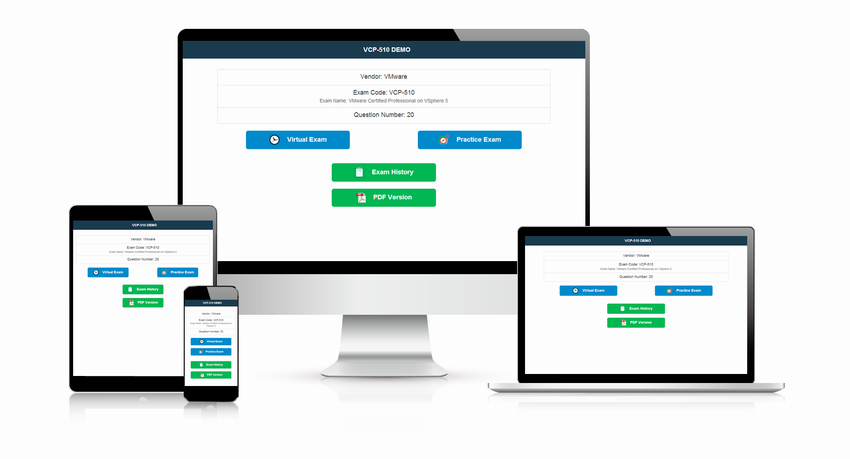
Jeder hat seine eigene Bevorzugung für die Prüfungsvorbereitung. Auf die geeigneteste Weise kann man sich am besten auf OGEA-102 Prüfung vorbereiten. Das Technikteam von ZertFragen bietet insgesamt 3 Versionen von OGEA-102 Prüfung, nämlich PDF, Online Test Engine sowie simulierte Prüfungssoftware. Alle drei Versionen enthalten die gleichen Zertifizierungsfragen der OGEA-102 (TOGAF Enterprise Architecture Part 2 Exam), aber in unterschiedlicher Form. Deshalb hat jede Version ihre eigene Überlegenheit, z.B. mit PDF Version können Sie ohne Internet noch die Zertifizierungsfragen der OGEA-102 lernen. Mit dem Simulationssoftware sind Sie in der Lage, die Prüfungsatmosphäre im voraus zu erleben. Dadurch wir Ihre Angst vor OGEA-102 Prüfung weniger sein!
Um die geeigneteste Version auszuwählen, empfehlen wir, dass Sie vor dem Kauf die Demo von drei Versionen zur OGEA-102 Prüfung probeweise zu gebrauchen. Demo ist natürlich kostenlos. Sie können sie auf unserer Webseite gratis herunterladen. Nach dem Kauf bieten wir noch einjährige Aktualisierungsdienst zur OGEA-102 Zertifizierungsfragen. Sie können sie ganz unbesorgt benutzen. Wir glauben, mit der geeignetesten Version können Sie sich am besten auf die OGEA-102 Prüfung vorbereiten.
Wir wünschen Ihnen herzlich, dass Sie mit Hilfe unserer Produkte das OGEA-102 Zertifikat zügig erwerben und ein besseres Leben in der Zukunft führen können. Irgendwann Sie Fragen über OGEA-102 Prüfung haben, können Sie mit uns online kontaktieren oder E-mail schicken!
Einfach und bequem zu kaufen: Um Ihren Kauf abzuschließen, gibt es zuvor nur ein paar Schritte. Nachdem Sie unser Produkt per E-mail empfangen, herunterladen Sie die Anhänge darin, danach beginnen Sie, fleißig und konzentriert zu lernen!
The Open Group OGEA-102 Prüfungsthemen:
| Abschnitt | Gewichtung | Ziele |
|---|---|---|
| Thema 1: Anwendung und Anpassung der ADM | 10–15 % | - Skalierung und Weiterentwicklung des Rahmenwerks - Anpassung der ADM an unterschiedliche Kontexte - Einsatz der ADM zusammen mit anderen Rahmenwerken |
| Thema 2: Kontext der Unternehmensarchitektur | 10–15 % | - Grundsätze und Geltungsbereich der Unternehmensarchitektur - Nutzen und Vorteile der Unternehmensarchitektur - Ausrichtung von Geschäfts- und IT-Bereich |
| Thema 3: Anforderungsmanagement | 10–15 % | - Erfassung und Einstufung von Anforderungen - Verknüpfung mit den Phasen der ADM - Nachverfolgbarkeit und Verwaltung von Anforderungen |
| Thema 4: Phasen der Architecture Development Method (ADM) | 30–35 % | - Phase C: Informationssystemarchitekturen - Phase E: Chancen und Lösungen - Phase B: Geschäftsarchitektur - Phase F: Migrationsplanung - Phase H: Änderungsmanagement der Architektur - Phase D: Technologiearchitektur - Phase G: Umsetzungssteuerung - Phase A: Architekturvision |
| Thema 5: Stakeholder-Management | 15–20 % | - Identifizierung und Einstufung von Stakeholdern - Behandlung von Anliegen und Anforderungen - Einbindung und Kommunikation mit Stakeholdern |
| Thema 6: Architektursteuerung | 10–15 % | - Steuerungsrahmen und zugehörige Prozesse - Reifegradmodelle für Architekturen - Einhaltung von Vorgaben und Entscheidungssteuerung |
The Open Group TOGAF Enterprise Architecture Part 2 OGEA-102 Prüfungsfragen mit Lösungen
1. Please read this scenario prior to answering the question
You are employed as an Enterprise Architect in a team at a large company. The company sells luxury food and drinks in more than 10,000 stores worldwide. The company is a leader in using technology to connect with its customers. This includes online ordering, mobile apps, and rewards programs. The company is also famous for bringing new ideas to the market, like ordering through apps, using Al to suggest personalized options, self-service pickup stations, and changing prices based on demand.
The stores are open every day. They send timely sales data to a central system that manages inventory. This system can predict what products are needed, adjust how much stock there is, and order more stock automatically. The stores and the main inventory system work directly with the mobile apps, allowing orders to be made online. The central inventory system is located at the company ' s main data center.
The company will merge with a major competitor. This competitor has a synergistic business. Leaders from both companies have told shareholders that the merger will happen fast. There will be minimal impact for customers. All stores will keep the current brand names. They will combine their systems, choosing the best ones to use.
This means their store management and back-office systems will become one. They will stop using duplicate systems and use one main system to manage the stores.
They will also cut down on the number of back-office applications they use.
The Request for Architecture Work to oversee the merger has been approved.
Stakeholders, concerns, and business requirements have been identified. The stakeholders have made it clear that they expect to continue to be able to innovate quickly, and that changes should not restrict that capability. The scope of what is inside and what is outside the architecture efforts has been confirmed. The next step is to revisit and review the Architecture Principles, as they form part of the constraints on architecture work.
Business Continuity is essential given that the business depends on real-time ordering and automated inventory management. During the systems integration, maintaining service for customers and inventory operations must be prioritized Refer to the scenario You have been asked to identify the most relevant Architecture Principles for the merger besides Business Continuity.
Based on the TOGAF standard, which of the following is the best answer?
[Note: You should assume that the company follows the example set of Architecture Principles provided in the TOGAF standard, ADM Techniques, Architecture Principles chapter.]
A) Control Technical Diversity will help by standardizing technology platforms aspart of the integration process. This will be vital for standardizing the appintegration for digital orders with the back-office systems, and will reducecomplexity and costs during integration. Data Trustee will establish owners tomanage the shared data across the company, thereby assuring data quality.Ease-of-Use is needed to make sure that new user interfaces for the appscontinue to be easy to use.
B) Compliance with the Law makes sure that all company activities comply withrelevant laws and regulations. This principle provides the foundation forensuring the merger meets all legal requirements.
Requirements-BasedChange will make sure that when combining systems, changes to applicationsand technology are only made if required by business needs. ResponsiveChange Management focuses on the speed needed to achieve the goals setby the leaders for a quick merger. We are committed to quickly blending thecompanies as planned.
C) Primacy of Principles will make sure that the same principles apply to bothorganizations of the newly merged operation, creating consistency acrosslocations. Data as an Asset is critical. Since you ' re maintaining separate mobileapps but consolidating back-end systems, treating data as an asset becomesessential. This principle helps ensure that customer data, and inventoryinformation from both brands are properly integrated and managed.Technology Independence is important when consolidating the back-officeapplications and order processing systems.
D) Service orientation will speed up the merger and make it easier to integratesystems while maintaining business operations. Maximize Benefit to theEnterprise will make sure that merger decisions prioritize the overall benefit tothe combined company. Common Use Applications across the mergedcompany is preferred over the use of similar or duplicative applications forcertain parts of the company. This help supports the goal of merging back-office systems to reduce duplication.
2. Please read this scenario prior to answering the question
You are employed as an Enterprise Architect within a clinical research and health technologies company. The company is dedicated to transforming healthcare with new ideas and advancements. The company has multiple divisions that cover different aspects of the business.
The company ' s Enterprise Architecture (EA) department has mature, well-developed architecture governance and development processes following the TOGAF standard.
In addition to the EA program, the company has a number of management
frameworks in use. The Architecture Board includes representatives from each division of the company. The Chief Information Officer (CIO) is the sponsor of the Enterprise Architecture program. The CIO has actively encouraged architecting with agility within the EA department as the preferred approach for projects.
Many of the company ' s rivals have begun using Artificial Intelligence (Al) in their operations, and the indications are that this will be transformative for healthcare delivery. This is something the EA department has been interested in for a while, and they had recently submitted an architecture Change Request which was approved. As a result, the CIO has approved a Request for Architecture Work to investigate the implementation of Al in the company.
Areas for evaluation include:
How can staff use Al daily in their current roles?
How can Al enhance access to care for patients, and how to make that experience seamless?
How can Al offer new workplace platforms and tools to increase efficiency?
Some of the top managers are worried about a change in the way of working, and if it will achieve the goals. Many are not confident that the company ' s risk management processes are adequate for a company-wide integration of generative Al. There are also questions from staff about whether enough specific guidelines and polices have been put in place for responsible use of Al.
Refer to the scenario
You have been assigned to the architecture development and asked how to address the concerns and manage risk for the project. How do you begin?
Based on the TOGAF standard which of the following is the best answer?
A) You recommend that all the stakeholders be identified, and a CommunicationsPlan created to address the most powerful and influential stakeholders. Thisplan should include a report that summarizes the key features of thearchitecture with respect to each division and reflects the stakeholders ' requirements.
You will check with each key stakeholder that their concerns arebeing addressed. Risk mitigation should be explicitly addressed as acomponent of the architecture being developed.
B) You recommend creation of a simple solution concept diagram to show howthe stakeholders will be impacted, and the benefits to the firm. You would alsocreate a benefits diagram showing the various opportunities from adoption ofAl-based solutions. A meeting should be held with the main stakeholders toreview the diagrams. They can then decide the priorities and sequencingdecisions for the architecture development. Risk will be evaluated whendefining the Architecture Roadmap.
C) You recommend that an analysis of the stakeholders is carried out. This willallow the architects to define groups of stakeholders who have commonconcerns and include development of a Stakeholder Map. The concerns andrelevant views should then be defined for each group and recorded in theArchitecture Vision document. To mitigate risk, you include a requirement thatthere be progressive development of the target architecture to ensure there isregular feedback.
D) You recommend that models be created for the Draft Business, Data,Application, and Technology Architectures. These can be used to minimize risk,and make sure that the system meets the local regulations for each division.Together with the problem description, and requirements, these should beincluded in the Architecture Vision document. A formal review should be heldwith the stakeholders to verify that their concerns are included in theArchitecture Vision.
3. Please read this scenario prior to answering the question
You are serving as the Lead Architect for an Enterprise Architecture team within a leading multinational biotechnology company. The company works in three major industries, including healthcare, crop production, and agriculture. Your team works within the healthcare division.
The healthcare division is developing a new vaccine, and has to demonstrate its effectiveness and safety in a set of clinical trials that satisfy the regulatory requirements of the relevant health authorities. The clinical trials are undertaken by its research laboratories at multiple facilities worldwide. In addition to internal research and development activities, the healthcare division is also involved in publicly funded collaborative research projects with industrial and academic partners.
The Enterprise Architecture team has been engaged in an architecture project to develop a secure system that will allow the healthcare researchers to share information more easily about their clinical trials, and work more collaboratively across the organization and also with its partners. This system will also connect with external partners.
The Enterprise Architecture team uses the TOGAF ADM with extensions required to support healthcare manufacturing practices and laboratory practices. Due to the highly sensitive nature of the information that is managed, special care has been taken to ensure that each architecture domain considers the security and privacy issues that are relevant.
The Vice President for Worldwide Clinical Research is the sponsor of the Enterprise Architecture activity.
She has stated that disruptions must be minimized for the clinical trials, and that the rollout must be undertaken incrementally.
Refer to the scenario
You have been asked to recommend the approach to identify the work packages for an incremental rollout meeting the requirements.
Based on the TOGAF standard which of the following is the best answer?
A) You recommend that a Consolidated Gaps. Solutions and Dependencies Matrix is used as a planning tool for creating work packages. For each gap classify whether the solution is either a new development, purchased solution, or based on an existing product. Group the similar solutions together to define the work packages. Regroup the work packages into a set of Capability Increments to transition to the Target Architecture considering the schedule for clinical trials, and document in an Architecture Definition Increments Table.
B) You recommend that the Solution Building Blocks from a Consolidated Gaps, Solutions and Dependencies Matrix be grouped into a set of work packages. Using the matrix as a planning tool, regroup the work packages to account for dependencies. Sequence the work packages into the Capability Increments needed to achieve the Target Architecture, so that the implementation team can schedule the rollout one region at a time to minimize disruption. Document the work packages for the Enterprise Architecture using a Transition Architecture State Evolution Table.
C) You recommend that the set of required Solution Building Blocks be determined by identifying those which need to be developed and which need to be procured. Eliminate any duplicates. Group the remaining Solution Building Blocks together to create the work packages using a CRUD (create, read, update, delete) matrix. Rank the work packages and select the most cost-effective options for inclusion in a series of Transition Architectures. Schedule the roll out of the work packages to be sequential across the geographic regions.
D) You recommend that an Implementation Factor Catalog is drawn up to indicate actions and constraints.
A Consolidated Gaps. Solutions and Dependencies Matrix should also be created. For each gap.
identify a proposed solution and classify it as new development, purchased solution, or based on an existing product. Group similar activities together to form work packages. Identify dependencies between work packages factoring in the clinical trial schedules. Regroup the work packages into a set of Capability Increments scheduled into a series of Transition Architectures.
4. You are working as an Enterprise Architect within the Enterprise Architecture (EA) team at a healthcare and life sciences company. The EA team is developing a secure system for researchers to share clinical trial information easily across the organization and with external partners.
Due to the highly sensitive nature of the information, each architecture domain must consider privacy and safety concerns. The healthcare division has been directed to minimize disruptions to clinical trials while introducing the new system gradually.
How would you identify the work packages for introducing the new system? Based on the TOGAF standard, which of the following is the best answer?
A) Use a Consolidated Gaps, Solutions, and Dependencies Matrix to create work packages and sequence them into Capability Increments. Document in a Transition Architecture State Evolution Table.
B) Use a Consolidated Gaps, Solutions, and Dependencies Matrix to classify each solution, group them into work packages, then regroup into Capability Increments. Document in an Architecture Definition Increments Table.
C) Identify Solution Building Blocks for development or procurement, then use a CRUD matrix to rank and select the most cost-effective work packages. Schedule the rollout sequentially across regions.
D) Draw up an Implementation Factor Catalog to indicate actions and constraints. Use a Consolidated Gaps, Solutions, and Dependencies Matrix, then group similar activities into work packages and identify dependencies.
5. You are employed as an Enterprise Architect within an Enterprise Architecture (EA) team at an environmental agency. The agency has multiple divisions, and is responsible for overseeing environmental protection, regulation, and conservation efforts.
The agency has a well-established EA practice and follows the TOGAF standard as its method for architecture development. Along with the EA program, the agency also uses various management frameworks, including business planning, project/portfolio management, and operations management. The EA program is sponsored by the Chief Information Officer (CIO), who has actively promoted architecting with agility within the EA department as the preferred approach for projects.
The agency is preparing itself for a world where Artificial Intelligence (Al) is widely adopted. As a result, the agency is looking to determine the impact and role that Al will play moving forward.
The CIO has approved a Request for Architecture Work to look at how Al can be used for services across the agency. She has noted that digital platforms will be a priority for investment in order to scale the planned Al applications. Using Al to automate tasks and make things run smoother is seen as a big advantage. Process automation, and improved efficiency from manual, repetitive activities has been identified as the key benefits of applying generative Al to their agency ' s business. This will include back-office automation, for example, for help center agents who receive hundreds of email enquiries. This should also improve services for their customers by making them more efficient and personalized, tailored to each individual's needs.
Many of the agency leaders are worried about relying too much on Al. Some leaders think their employees will need to learn new skills. Some employees are worried they might lose their jobs to Al. Other leaders worry about security and cyber resilience in the digital platforms needed for Al to be successful.
Refer to the scenario
The EA team leader has asked how to address the concerns, and how to manage the risks of a new architecture for the project.
Based on the TOGAF standard which of the following is the best answer?
A) You recommend an assessment of the power, influence, and interest of key individuals affected by the project. This includes documenting the positions, concerns, issues, and cultural factors of each interest group. This information will shape how the architecture is presented and explained. The concerns and relevant views can be defined for each group and recorded in the Architecture Vision document. The requirements for addressing risk should be recorded in the Architecture Requirements Specification and checked through regular assessments and feedback.
B) You recommend creating an Organization Map to display the links between different parts of the agency. This will help the EA team to find and involve all areas of the agency impacted by this strategic change. Multiple business models should then be created that can be applied to Al related projects. A meeting will be held with the stakeholders to teach them how to interpret the models and see how their concerns are being addressed. Risk will be managed as part of the Security Architecture development.
C) You recommend conducting an analysis that separates the different types of stakeholders into groups.
They can be put into categories including corporate functions, end-user organization, project organization, systems, and external. Models should be developed for each stakeholder category to ensure that that all the necessary information and details are considered. A meeting should be held with the stakeholders to verify that their concerns have been addressed. Risk management will be considered during the Implementation Governance phase.
D) You recommend that the key stakeholders be formally identified. This should include those who will be most helpful for the change to be successful. A Communication Plan should be made to address their needs. This plan should include a report that summarizes the key features of the architecture based on stakeholder requirements and addressing concerns. You meet with each key stakeholder to make sure their concerns are being addressed. You make sure that the architecture being developed clearly addresses risk management.
Fragen und Antworten:
| 1. Frage Antwort: D | 2. Frage Antwort: C | 3. Frage Antwort: A | 4. Frage Antwort: B | 5. Frage Antwort: A |









Arthurs -
Ich habe an der Prüfung OGEA-102 teilgenommen und bestanden. Mit diesem Lernmaterial kannst du völli gut vorbereitet für die Prüfung. Ich empfehle es jedem, der die Prüfung bestehen will.