Die CNSP Prüfung auf die geeigneteste Weise vorbereiten
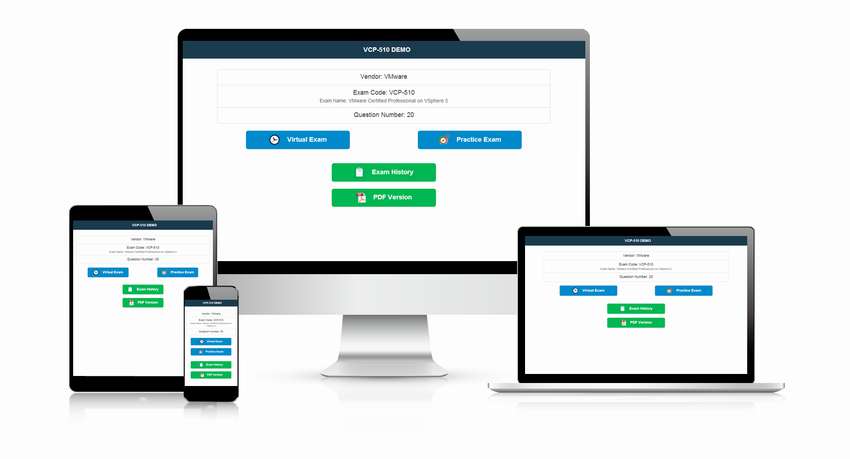
Jeder hat seine eigene Bevorzugung für die Prüfungsvorbereitung. Auf die geeigneteste Weise kann man sich am besten auf CNSP Prüfung vorbereiten. Das Technikteam von ZertFragen bietet insgesamt 3 Versionen von CNSP Prüfung, nämlich PDF, Online Test Engine sowie simulierte Prüfungssoftware. Alle drei Versionen enthalten die gleichen Zertifizierungsfragen der CNSP (Certified Network Security Practitioner), aber in unterschiedlicher Form. Deshalb hat jede Version ihre eigene Überlegenheit, z.B. mit PDF Version können Sie ohne Internet noch die Zertifizierungsfragen der CNSP lernen. Mit dem Simulationssoftware sind Sie in der Lage, die Prüfungsatmosphäre im voraus zu erleben. Dadurch wir Ihre Angst vor CNSP Prüfung weniger sein!
Um die geeigneteste Version auszuwählen, empfehlen wir, dass Sie vor dem Kauf die Demo von drei Versionen zur CNSP Prüfung probeweise zu gebrauchen. Demo ist natürlich kostenlos. Sie können sie auf unserer Webseite gratis herunterladen. Nach dem Kauf bieten wir noch einjährige Aktualisierungsdienst zur CNSP Zertifizierungsfragen. Sie können sie ganz unbesorgt benutzen. Wir glauben, mit der geeignetesten Version können Sie sich am besten auf die CNSP Prüfung vorbereiten.
Wir wünschen Ihnen herzlich, dass Sie mit Hilfe unserer Produkte das CNSP Zertifikat zügig erwerben und ein besseres Leben in der Zukunft führen können. Irgendwann Sie Fragen über CNSP Prüfung haben, können Sie mit uns online kontaktieren oder E-mail schicken!
Einfach und bequem zu kaufen: Um Ihren Kauf abzuschließen, gibt es zuvor nur ein paar Schritte. Nachdem Sie unser Produkt per E-mail empfangen, herunterladen Sie die Anhänge darin, danach beginnen Sie, fleißig und konzentriert zu lernen!
Beste Zertifizierungsfragen der The SecOps Group CNSP mit günstigem Preis
Durch langjärige Erforschungen und Bemühungen haben IT-Experten aus ZertFrafen die anspruchvollen Zertifizierungsfragen für CNSP gefertigt. Die zuverlässigen Zertifizierungsfragen enthalten echte Fragen aud den früheren CNSP Prüfungen. Fast jede Antworte der Prüfungsaufgaben hat ausführliche Erläuterungen, mit denen Sie die Fachkenntnisse der CNSP Prüfung gut beherrschen können.

Die Zertifizierungsfragen der The SecOps Group CNSP (Certified Network Security Practitioner) von hoher Qualität kosten Sie nicht viel. Der Preis ist im Vergleich zu anderen Lieferanten sehr günstig. Außerdem bieten wir ab und zu Rabatte auf bestimmte Produkte. Deshalb können Sie sich uns vor dem Bezahlen der CNSP Zertifizierungsfragen online erkundigen, ob es zu jener Zeit einen Rabatt-Code für die CNSP Prüfung gibt.
Sie können sowohl online mit Kreditkarte zahlen oder direkt auf unser Konto überweisen. Ihre persönlichen Informationen werden von uns gut bewahrt, darum brauchen Sie keine Sorge zu machen. Nach dem Bezahlen werden Sie die Zertifizierungsfragen der CNSP sofort per E-mail erhalten.
Schnell die CNSP bestehen ohne Geldverschwendung
Wegen der Verlässlichkeit unserer Produkte haben schon zahlreiche Benutzer die CNSP zügig bestanden. Laut Statistiken dürfen Sie sich nach konzentriertem Gebruach innerhalb nur 20 bis 30 Stunden auf CNSP sehr gut vorbereiten. Viele Prüfungsteilnehmer haben schon ins Arbeitsleben eingestiegen. Die Freizeit ist sehr wenig, deswegen bieten wir die effizienten Zertifizierungsfragen, mit denen Sie die CNSP Prüfung innerhalb einer kurzen Zeit bestehen können.
Weil die Pass-Rate sehr hoch ist, können wir Ihnen garantieren, falls Sie die CNSP Zertifizierungsprüfung nicht schaffen, erstatten wir alle Ihre bezahlten Kosten. Sie brauchen nur, uns das Zeugnis per E-mail zu schichen. Wir tun unser Bestes, um Ihren finanziellen Verlust am möglichsten zu vermindern. Wir ZertFragen ist kundenorientiert und vertrauenswürdig!
The SecOps Group CNSP Prüfungsplan:
| Thema | Einzelheiten |
|---|
| Thema 1 | - This section of the exam measures the skills of Network Engineers and explains how to verify the security and performance of various services running on a network. It focuses on identifying weaknesses in configurations and protocols that could lead to unauthorized access or data leaks.
|
| Thema 2 | - Network Architectures, Mapping, and Target Identification: This section of the exam measures the skills of Network Engineers and reviews different network designs, illustrating how to diagram and identify potential targets in a security context. It stresses the importance of accurate network mapping for efficient troubleshooting and defense.
|
| Thema 3 | - Database Security Basics: This section of the exam measures the skills of Network Engineers and covers how databases can be targeted for unauthorized access. It explains the importance of strong authentication, encryption, and regular auditing to ensure that sensitive data remains protected.
|
| Thema 4 | - Testing Web Servers and Frameworks: This section of the exam measures skills of Security Analysts and examines how to assess the security of web technologies. It looks at configuration issues, known vulnerabilities, and the impact of unpatched frameworks on the overall security posture.
|
| Thema 5 | - Network Scanning & Fingerprinting: This section of the exam measures the skills of Security Analysts and covers techniques for probing and analyzing network hosts to gather details about open ports, operating systems, and potential vulnerabilities. It emphasizes ethical and legal considerations when performing scans.
|
| Thema 6 | - TLS Security Basics: This section of the exam measures the skills of Security Analysts and outlines the process of securing network communication through encryption. It highlights how TLS ensures data integrity and confidentiality, emphasizing certificate management and secure configurations.
|
| Thema 7 | - Common vulnerabilities affecting Windows Services: This section of the exam measures the skills of Network Engineers and focuses on frequently encountered weaknesses in core Windows components. It underscores the need to patch, configure, and monitor services to prevent privilege escalation and unauthorized use.
|
| Thema 8 | - Active Directory Security Basics: This section of the exam measures the skills of Network Engineers and introduces the fundamental concepts of directory services, highlighting potential security risks and the measures needed to protect identity and access management systems in a Windows environment.
|
| Thema 9 | - Cryptography: This section of the exam measures the skills of Security Analysts and focuses on basic encryption and decryption methods used to protect data in transit and at rest. It includes an overview of algorithms, key management, and the role of cryptography in maintaining data confidentiality.
|
| Thema 10 | - Linux and Windows Security Basics: This section of the exam measures skills of Security Analysts and compares foundational security practices across these two operating systems. It addresses file permissions, user account controls, and basic hardening techniques to reduce the attack surface.
|
| Thema 11 | - Basic Malware Analysis: This section of the exam measures the skills of Network Engineers and offers an introduction to identifying malicious software. It covers simple analysis methods for recognizing malware behavior and the importance of containment strategies in preventing widespread infection.
|
| Thema 12 | - Network Discovery Protocols: This section of the exam measures the skills of Security Analysts and examines how protocols like ARP, ICMP, and SNMP enable the detection and mapping of network devices. It underlines their importance in security assessments and network monitoring.
|
| Thema 13 | - This section of the exam measures skills of Network Engineers and explores the utility of widely used software for scanning, monitoring, and troubleshooting networks. It clarifies how these tools help in detecting intrusions and verifying security configurations.
|
| Thema 14 | - Network Security Tools and Frameworks (such as Nmap, Wireshark, etc)
|
| Thema 15 | - Open-Source Intelligence Gathering (OSINT): This section of the exam measures the skills of Security Analysts and discusses methods for collecting publicly available information on targets. It stresses the legal and ethical aspects of OSINT and its role in developing a thorough understanding of potential threats.
|
| Thema 16 | - Password Storage: This section of the exam measures the skills of Network Engineers and addresses safe handling of user credentials. It explains how hashing, salting, and secure storage methods can mitigate risks associated with password disclosure or theft.
|
| Thema 17 | - Social Engineering attacks: This section of the exam measures the skills of Security Analysts and addresses the human element of security breaches. It describes common tactics used to manipulate users, emphasizes awareness training, and highlights how social engineering can bypass technical safeguards.
|
| Thema 18 | - TCP
- IP (Protocols and Networking Basics): This section of the exam measures the skills of Security Analysts and covers the fundamental principles of TCP
- IP, explaining how data moves through different layers of the network. It emphasizes the roles of protocols in enabling communication between devices and sets the foundation for understanding more advanced topics.
|
Referenz: https://secops.group/product/certified-network-security-practitioner/


 869 Kundenrezensionen









Gutzkow -
Ich bestand meine CNSP Prüfung. Ihre Prüfungsaufgaben sind fast gleich wie die echten Prüfung. Vielen Dank!